





Unlocking the Key Features of Impact Wrenches
Home » Unlocking the Key Features of Impact Wrenches
Introduction:
Impact wrenches are indispensable tools in modern automotive workshops and industrial maintenance environments. Designed to deliver high torque with minimal effort, these tools allow technicians to efficiently loosen or tighten bolts and fasteners, saving both time and labor. Over the years, advancements in technology have introduced a wide variety of impact wrenches, from pneumatic and corded electric models to advanced cordless brushless systems. Understanding the key features of these tools is essential for both professional mechanics and workshop managers aiming to optimize productivity.
Power and Torque Output
One of the most important characteristics of an impact wrench is its torque output. High-performance models can deliver torque ranging from 100 Nm for light-duty applications up to over 1,000 Nm for heavy-duty truck or industrial use. The torque capacity directly affects the efficiency and accuracy of fastener installation, reducing the risk of under-tightening or over-tightening. According to recent industry surveys, workshops that adopt high-torque impact wrenches see up to a 25% reduction in rework caused by fastener errors.
Drive Mechanism and Motor Type
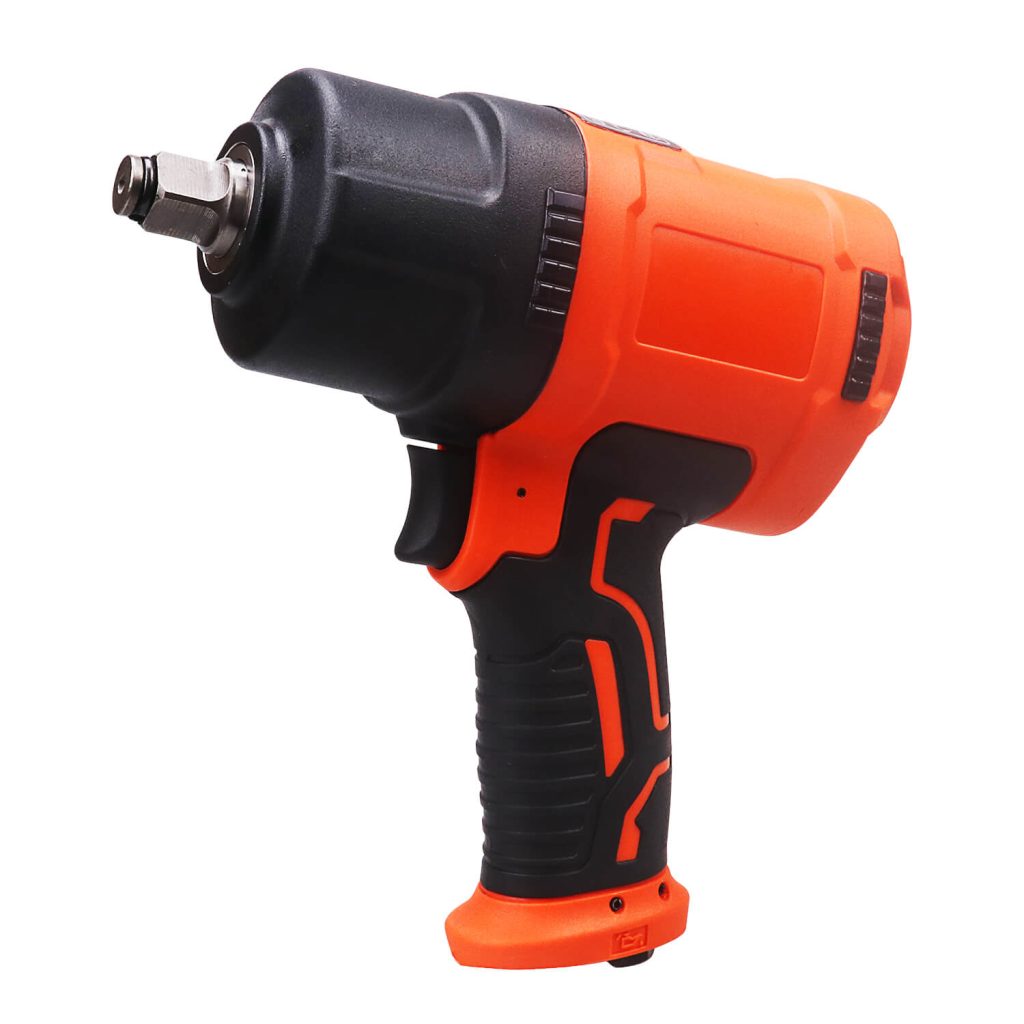
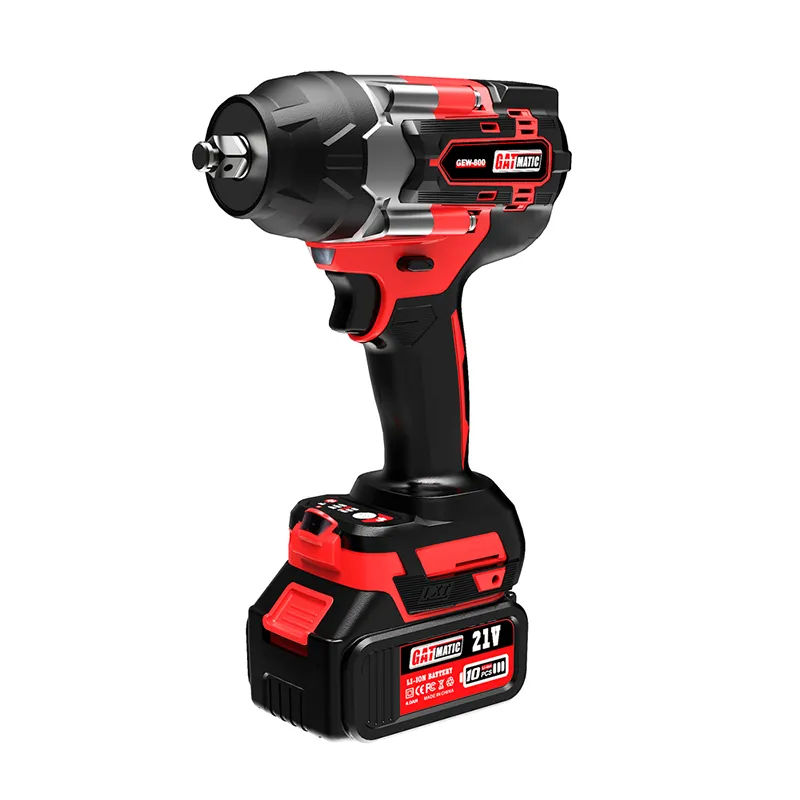
Impact wrenches typically use either pneumatic or electric drive systems. Pneumatic wrenches are favored for their consistent high torque in automotive shops, while electric models—especially brushless cordless impact wrenches—offer greater portability and energy efficiency. Modern brushless motors reduce internal friction, extend tool life, and provide a more compact form factor. Popular models like the GIW650R Air Impact Wrench or Brushless Electric Impact Wrench are examples of how motor technology enhances performance for professional technicians.
Ergonomics and Usability
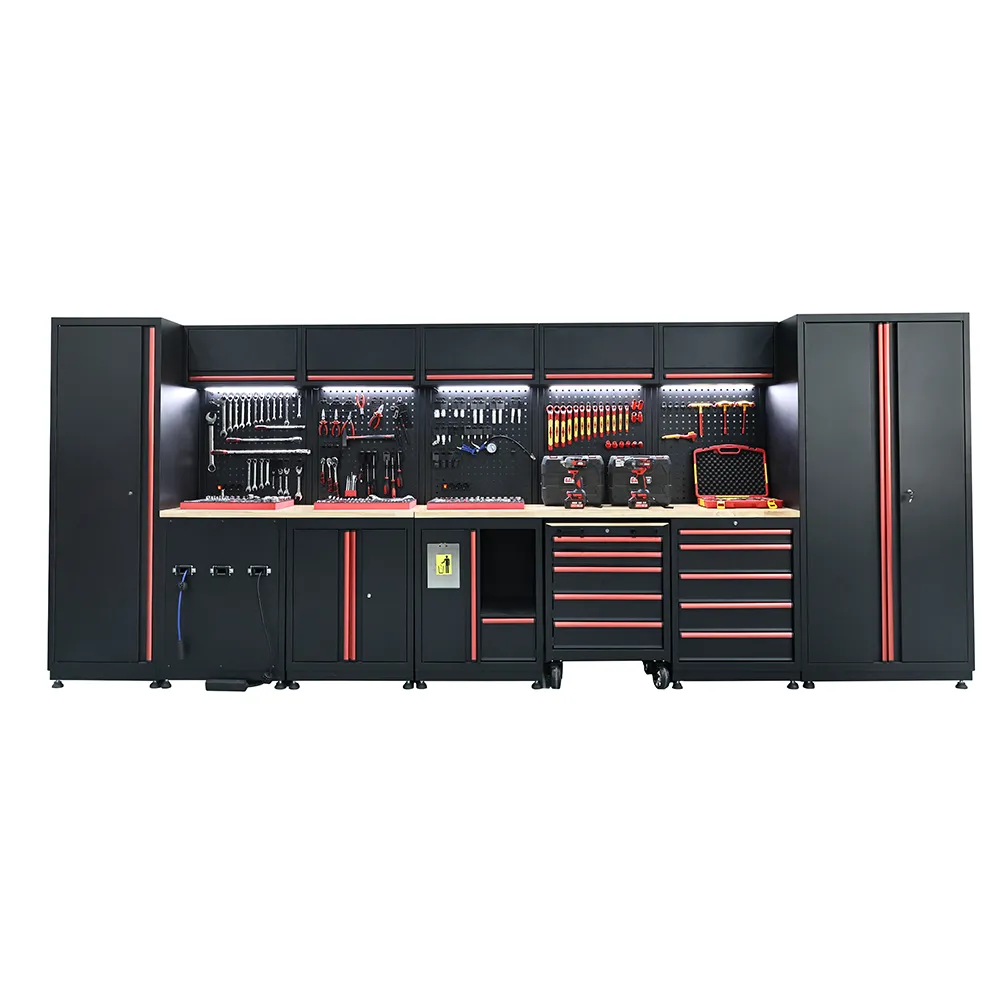
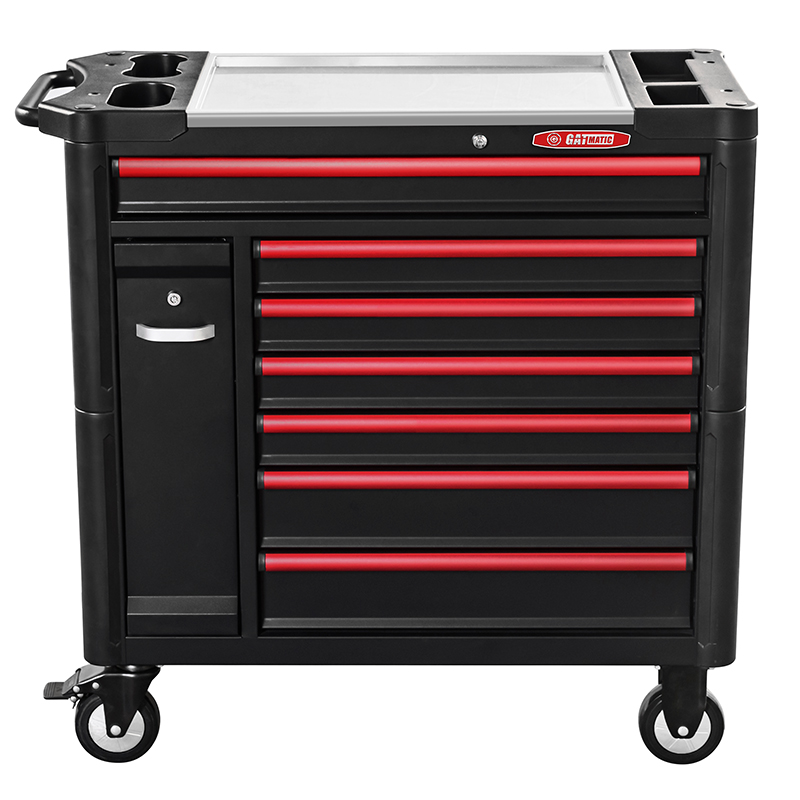
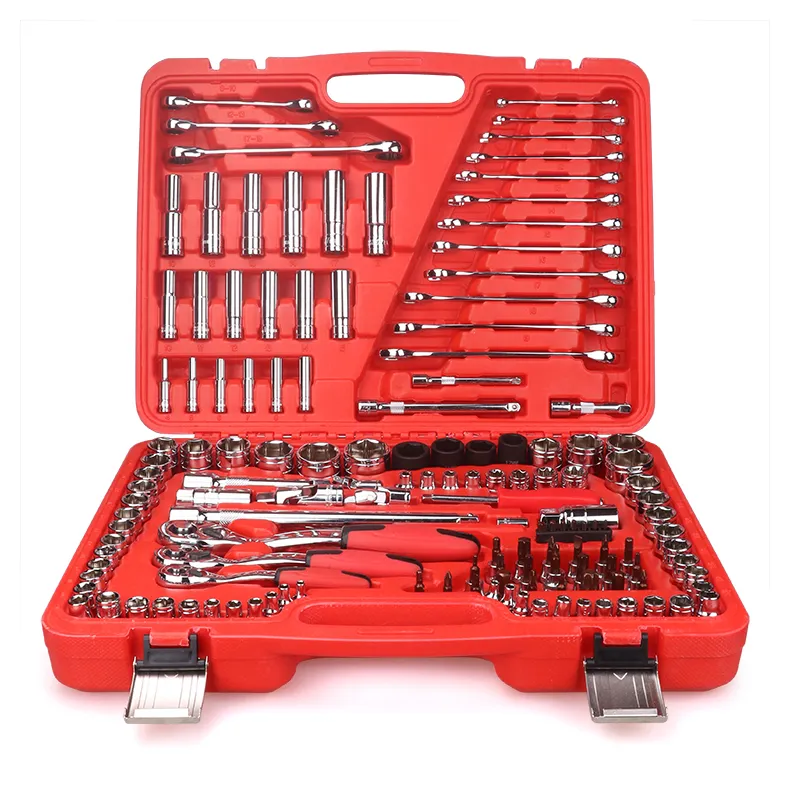
Ergonomics is another critical factor in tool selection. Lightweight designs, balanced weight distribution, anti-vibration handles, and intuitive triggers reduce fatigue during extended use. For automotive workshops performing high-volume tire changes, engine assembly, or chassis repairs, the combination of torque and comfort ensures faster cycle times and more precise operations. Furthermore, the adoption of modular storage systems like GATmatic tool trolleys helps organize and protect these tools while ensuring quick accessibility during service.
Advanced Features and Safety
Modern impact wrenches are equipped with adjustable torque settings, electronic speed control, and integrated LED lighting. These features allow technicians to tailor the tool for delicate fasteners or heavy-duty applications. Safety enhancements such as insulated grips, overload protection, and auto-shutoff mechanisms prevent workplace accidents and protect both the operator and the equipment. In workshops handling EV components or high-performance vehicles, using these advanced tools is becoming an industry standard.
Industry Data and Application Examples
| Type of Impact Wrench | Typical Torque Range (Nm) | Common Use Case |
|---|---|---|
| Pneumatic Standard | 150–700 | Car & Truck Repairs |
| Corded Electric | 200–800 | Engine Assembly & Maintenance |
| Cordless Brushless | 150–1000+ | Tire Shops, Mobile Mechanics |
Impact wrenches are not only essential for routine maintenance but also play a key role in specialized applications such as suspension replacement, EV battery servicing, and heavy-duty truck maintenance. Workshops that standardize their impact wrench fleet experience improved workflow efficiency, reduced tool downtime, and enhanced customer satisfaction.
Conclusion
The evolution of impact wrenches reflects the increasing demand for precision, efficiency, and operator safety in modern workshops. From torque output and motor technology to ergonomics and advanced features, these tools are crucial for any professional environment. By investing in high-quality impact wrenches, workshops can ensure consistent performance, reduce errors, and extend tool longevity while maintaining a competitive edge.