






Why Modern Vehicles Need More Precise Wheel Alignment
Home » Why Modern Vehicles Need More Precise Wheel Alignment
Introduction
Wheel alignment has always been an essential part of vehicle maintenance. However, as automotive technology continues to evolve, alignment accuracy has become more critical than ever. Today’s vehicles are significantly more complex than those produced just a decade ago. Advanced driver assistance systems (ADAS), electric vehicle platforms, sophisticated suspension geometries, and increasingly demanding customer expectations are reshaping how workshops approach wheel alignment.
For modern repair facilities and tire service centers, wheel alignment is no longer simply about preventing uneven tire wear. It has become a key factor influencing vehicle safety, driving performance, ADAS functionality, energy efficiency, and long-term operating costs.
As vehicle technology advances, the demand for more precise wheel alignment continues to grow.
The Evolution of Vehicle Design Has Raised Alignment Requirements
Vehicle manufacturers are placing greater emphasis on ride comfort, handling stability, fuel efficiency, and safety performance. To achieve these objectives, suspension systems have become increasingly sophisticated and sensitive to alignment variations.
Modern passenger vehicles often feature multi-link rear suspensions, adaptive damping systems, electronic steering systems, and lightweight chassis structures designed to optimize vehicle dynamics. These technologies deliver superior driving experiences but also reduce tolerance for alignment errors.
A small deviation that might have had minimal impact on an older vehicle can significantly affect the handling characteristics of a modern car. Even slight variations in toe, camber, or caster angles can influence steering response, braking stability, and tire performance.
According to engineering studies published by vehicle manufacturers and tire companies, improper wheel alignment remains one of the leading causes of premature tire wear and reduced vehicle stability. Tire industry research indicates that misalignment can shorten tire lifespan by thousands of miles while increasing rolling resistance and fuel consumption.
As a result, alignment accuracy has become a critical component of modern vehicle maintenance.
ADAS Systems Depend on Accurate Vehicle Geometry
One of the most significant reasons alignment precision matters today is the rapid adoption of ADAS technologies.
Features such as lane keeping assist, adaptive cruise control, automatic emergency braking, blind spot monitoring, and lane departure warning rely on cameras, radar sensors, and vehicle geometry operating together within extremely tight tolerances.
When wheel alignment angles fall outside manufacturer specifications, the vehicle’s directional behavior can change. This may affect how ADAS sensors interpret road conditions and vehicle movement.
Industry guidelines from major vehicle manufacturers increasingly recommend wheel alignment verification before performing ADAS calibration procedures. In many cases, accurate alignment is considered a prerequisite for successful sensor calibration. Workshops expanding their advanced driver assistance service capabilities should also consider investing in ADAS Calibration Solutions to ensure accurate sensor performance and vehicle safety.
The growing adoption of ADAS-equipped vehicles means alignment services are becoming more closely connected with vehicle safety systems than ever before.
Electric Vehicles Require Higher Alignment Precision
The rapid growth of electric vehicles is creating new alignment challenges for workshops worldwide.
Compared with conventional vehicles, EVs typically carry heavier battery packs, generate instant torque, and place different loads on suspension and steering components. These characteristics make tire wear patterns more sensitive to alignment deviations.
Research from multiple tire manufacturers has shown that EV tires often experience faster wear rates due to increased vehicle weight and torque delivery. When alignment is not properly maintained, tire wear can accelerate even further, increasing operating costs for vehicle owners.
In addition, wheel alignment directly affects rolling resistance, which plays an important role in determining driving range. Even small alignment errors can contribute to increased energy consumption over time.
As EV adoption continues to expand globally, workshops capable of delivering highly accurate alignment services will be better positioned to meet evolving customer needs. Many modern service centers are now adopting 5D Wheel Alignment Machines and Touchless Wheel Alignment Machines to improve measurement accuracy, reduce service time, and support the latest EV platforms.
Why Alignment Precision Directly Impacts Tire Life
Tires represent one of the largest ongoing maintenance expenses for both individual vehicle owners and commercial fleets. While tire quality is important, alignment accuracy plays an equally significant role in determining tire longevity.
When wheels are misaligned, tires are forced to operate at angles they were not designed to maintain. This creates uneven contact patches and abnormal wear patterns that gradually reduce tread life.
The following table illustrates how common alignment issues affect tire performance:
| Alignment Condition | Typical Result |
|---|---|
| Excessive Toe-In | Feathered tread wear and increased rolling resistance |
| Excessive Toe-Out | Rapid inner-edge wear and steering instability |
| Excessive Negative Camber | Accelerated inner shoulder wear |
| Excessive Positive Camber | Outer shoulder wear |
| Incorrect Caster | Steering pull and reduced directional stability |
For fleet operators managing hundreds of vehicles, even minor alignment-related tire wear can translate into substantial annual operating costs. This is one reason many fleet maintenance programs now include routine alignment inspections as part of preventive maintenance strategies.
Modern Alignment Technology Delivers Greater Accuracy
As alignment requirements have increased, wheel alignment equipment has evolved accordingly.
Traditional alignment systems often relied on manual measurements and physical wheel clamps. While effective for many years, these systems may not always provide the speed and precision required for servicing modern vehicles.
Today’s advanced alignment solutions utilize high-resolution cameras, intelligent targets, digital measurement systems, and sophisticated software algorithms to improve accuracy and efficiency.
Touchless wheel alignment technology represents one of the latest developments in this field. By eliminating direct contact with the wheel rim, touchless systems reduce the risk of rim damage while enabling faster vehicle measurement and improved workflow efficiency.
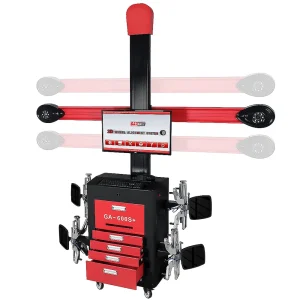
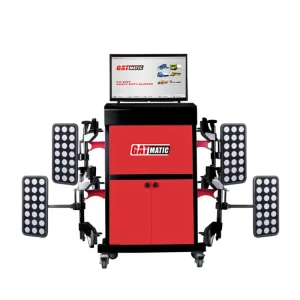
Industry trends indicate that workshops are increasingly investing in advanced 3D and touchless alignment systems as they seek to improve productivity and support newer vehicle platforms. Solutions such as the GA-800 Touchless Wheel Aligner, GA-600 3D Wheel Alignment Machine, and GA-500 5D Wheel Alignment Machine are designed to meet the growing demand for precision alignment in modern workshops.
Precision Alignment Supports Workshop Profitability
From a business perspective, wheel alignment has evolved into one of the most valuable service categories available to modern workshops.
Alignment services not only generate direct revenue but also create opportunities to identify suspension wear, steering issues, tire replacement needs, and ADAS-related services. Furthermore, customers increasingly associate alignment quality with overall workshop professionalism.
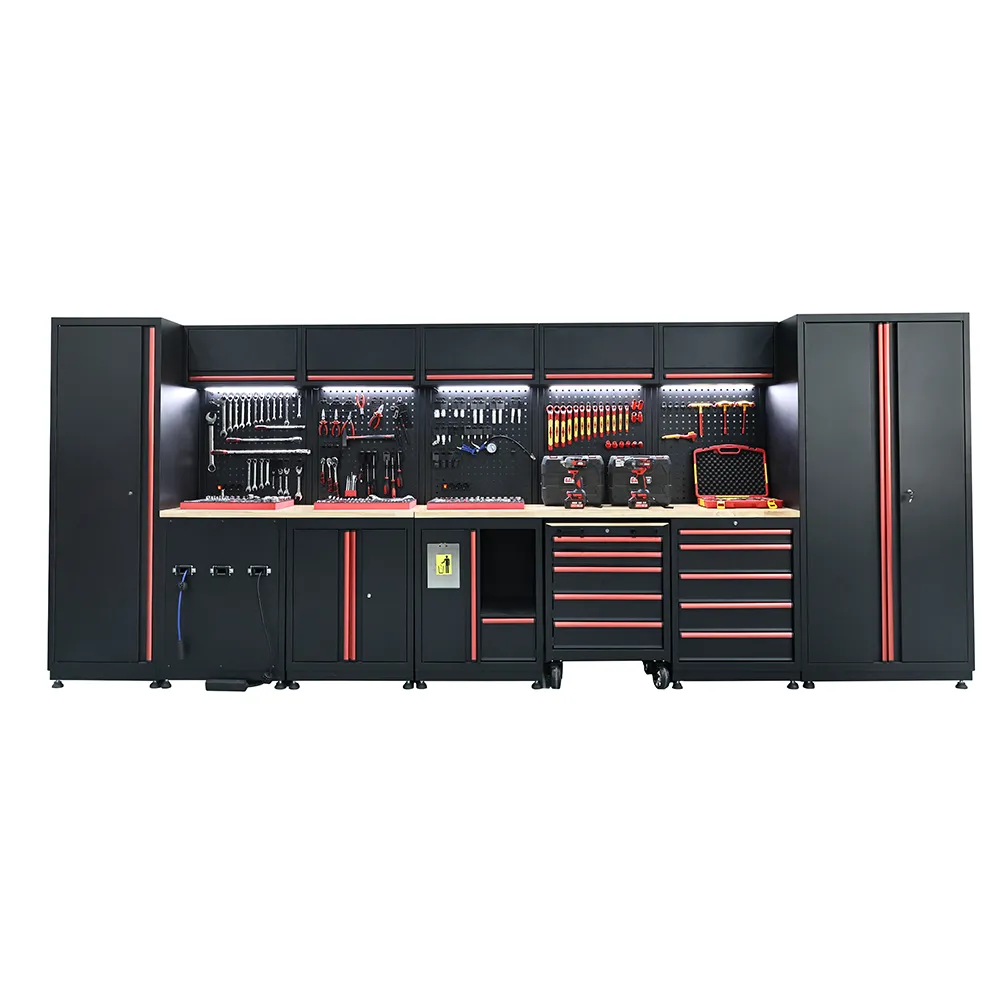
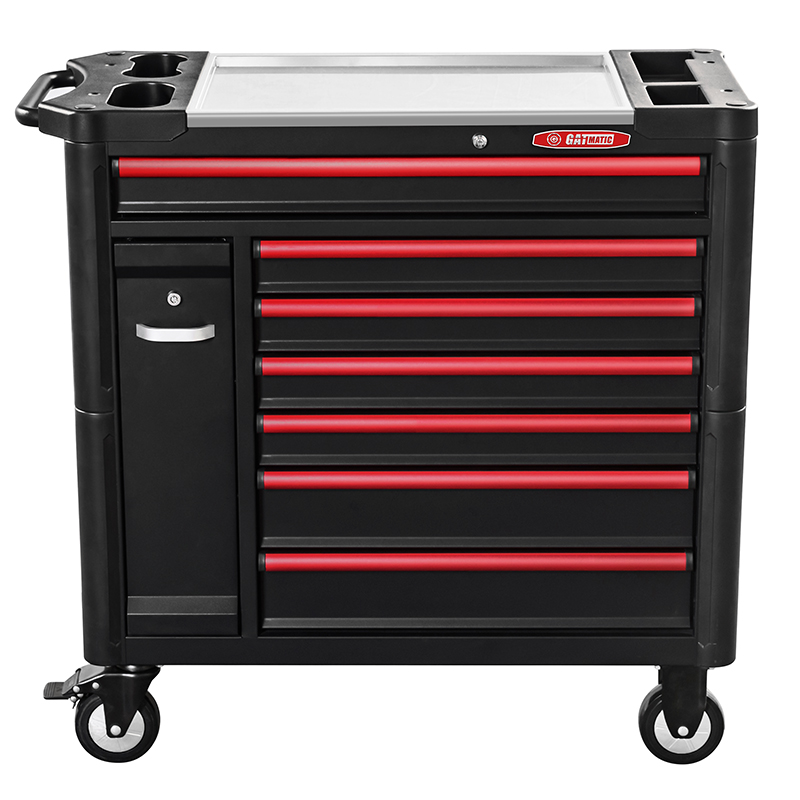
A workshop capable of consistently delivering precise alignment results can improve customer satisfaction, increase repeat business, and strengthen its reputation in a highly competitive aftermarket environment. Combined with organized workspaces supported by Garage Storage & Tool Trolley Solutions, workshops can further improve operational efficiency and technician productivity.
As vehicle technology becomes more advanced, customers are also becoming more aware of the importance of accurate wheel alignment. This trend is expected to continue throughout the coming decade.
The Future of Wheel Alignment
The future of wheel alignment will be closely linked to broader developments in vehicle technology.
ADAS systems are becoming standard equipment across multiple vehicle segments. Electric vehicles continue to gain market share. Autonomous driving technologies are advancing rapidly. At the same time, manufacturers are introducing increasingly complex suspension architectures designed to improve efficiency and vehicle dynamics.
These trends are pushing alignment tolerances tighter and increasing the demand for advanced measurement solutions.
Industry analysts expect alignment systems to become more integrated with digital workshop platforms, vehicle diagnostics, and ADAS calibration processes. Automated measurement technologies, cloud-based reporting, and AI-assisted diagnostics may eventually become standard features in next-generation alignment equipment.
Workshops looking to stay ahead of industry developments can also explore our insights on Why More Workshops Are Choosing Touchless Wheel Aligners, The Future of Wheel Alignment Technology, and The Future of Smart Automotive Workshops to better understand emerging trends shaping the aftermarket industry.
For workshops planning future investments, precision wheel alignment technology is no longer simply a maintenance tool—it is becoming a strategic capability.
Conclusion
Modern vehicles require more precise wheel alignment because they are more technologically advanced, more sensitive to alignment deviations, and increasingly dependent on accurate vehicle geometry for safety and performance.
From ADAS functionality and EV efficiency to tire life and driving stability, alignment accuracy now affects nearly every aspect of vehicle operation. As a result, workshops must adopt more advanced alignment technologies to meet evolving industry requirements.
Investing in precise wheel alignment solutions is not only about improving measurement accuracy. It is about preparing for the future of vehicle service.
FAQ
Why is wheel alignment more important for modern vehicles?
Modern vehicles feature advanced suspension systems, electronic steering, ADAS technologies, and EV platforms that are more sensitive to alignment deviations than older vehicles.
Can poor alignment affect ADAS performance?
Yes. Many vehicle manufacturers recommend verifying wheel alignment before performing ADAS calibration because vehicle geometry directly influences sensor accuracy.
Do electric vehicles require more frequent alignment checks?
EVs often generate higher torque and carry additional battery weight, which can increase tire wear if alignment specifications are not properly maintained.
What are the benefits of touchless wheel alignment?
Touchless alignment systems eliminate wheel contact, reduce the risk of rim damage, improve measurement speed, and support modern high-precision alignment requirements.
How often should wheel alignment be checked?
Most manufacturers recommend checking alignment annually or whenever tires are replaced, suspension components are repaired, or abnormal tire wear is detected.